The Changing Education Landscape: From Chalkboards to Clicks
Education is no longer confined to four walls, blackboards, or fixed schedules. Over the last few years, the way we learn has dramatically transformed—from traditional classrooms to digital platforms, and now to a blended, more flexible learning environment.
The shift hasn’t just been about where we learn, but how we learn, what we value, and who has access.
The Offline Era: Foundation of Formal Learning
Traditional classroom education provided structure, discipline, and direct interaction. It encouraged peer learning, offered real-time feedback, and created social environments that shaped student growth.
But it also came with limitations—rigid schedules, fixed geographies, and unequal access.
The Rise of Online Learning: A Digital Revolution
The digital wave brought education to our screens. What began as recorded tutorials and remote classes quickly evolved into full-fledged online learning ecosystems.
During the COVID-19 pandemic, online education became not just an option—but a necessity. It brought several advantages:
- Anywhere, Anytime Learning
Students could learn from their homes, at their pace, and revisit content as needed. - Diverse Learning Formats
Videos, quizzes, discussion forums, live sessions, and gamification added variety and engagement. - Increased Accessibility
Geography became irrelevant. A student in a remote town could now access courses from top educators globally. - Self-Paced Development
Learners had the freedom to choose what, when, and how they learned—building autonomy and responsibility.
The Current Scenario: Towards Blended & Personalized Learning
As physical spaces reopened, the education sector began evolving again—not back to what it was, but forward into something better: Blended Learning.
Today’s learners want the best of both worlds—human connection from offline education and the flexibility of online platforms.
Here’s how the current landscape looks:
- Hybrid Models
Schools, colleges, and training institutes combine in-person interactions with digital tools for extended support. - Skill-Based Learning
There’s a growing emphasis on real-world skills—communication, emotional intelligence, problem-solving—over rote memorization. - Lifelong Learning
Education is no longer limited to a specific age or degree. Professionals, homemakers, and retirees are all engaging in learning. - AI & Data-Driven Personalization
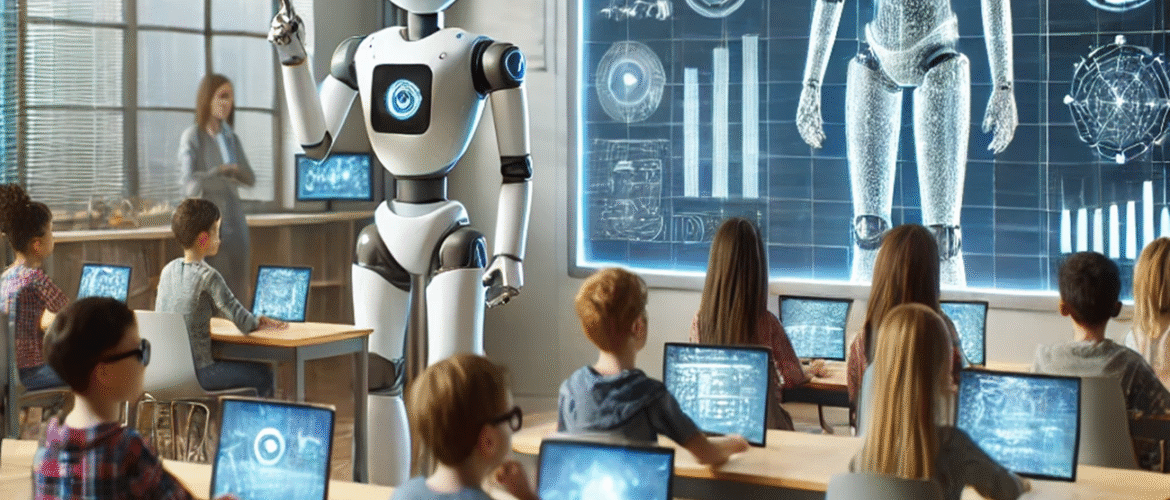
Learning platforms now track progress, offer tailored content, and support learners based on their individual pace and performance.
What This Means for You
If you’re reading this on our LMS, you’re already part of this new wave. Here’s how to make the most of it:
- Stay curious and self-motivated
- Take advantage of flexible learning paths
- Engage actively—ask questions, join discussions, apply your learning
- Combine soft skills with technical knowledge for all-round development
Final Thought
The education landscape isn’t just changing—it’s evolving to empower more people, in more ways, than ever before. You’re no longer limited by place, time, or age. All you need is a device, an internet connection, and the desire to learn.
Remember: The future belongs to the continuous learner. And the best time to start? Now.